How Industrial Mats Help Businesses Meet Workplace Safety Standards
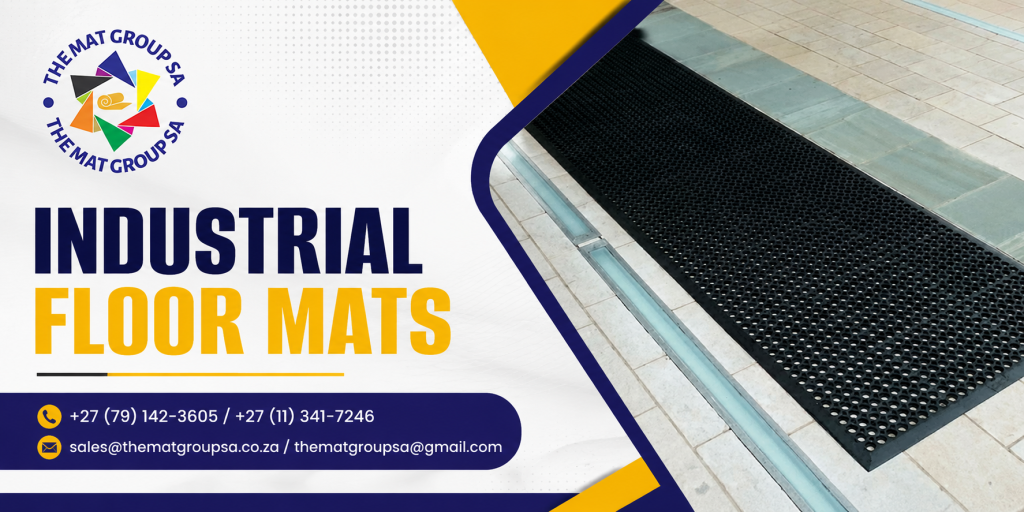
Walk into any busy factory, warehouse, or workshop and you’ll notice something most visitors overlook: the floor. It’s easy to focus on machinery, staff training, or safety signage, but the ground beneath your feet plays a bigger role in workplace safety than most business owners realise. That’s where industrial floor mats come in. They’re not just a practical add-on for tidiness; they’re a genuine safety tool that helps companies reduce accidents, protect employees, and stay compliant with occupational health regulations. If you’re running a facility where slips, spills, or heavy foot traffic are part of daily life, understanding how the right matting solution fits into your safety plan could save you a lot of headaches down the line.
Why Industrial Floor Mats Matter for Workplace Safety Standards
South African workplaces are held to strict occupational health and safety requirements, and flooring is often part of that conversation whether businesses realise it or not. Wet floors, oil spills, dust build-up, and general wear and tear all increase the risk of slips and falls, which remain one of the most common causes of workplace injury. A good matting system tackles this problem at the source. Anti-slip mats grip the floor and reduce the chance of someone losing their footing, while anti-fatigue mats ease the strain on workers who stand for long shifts on hard concrete. These aren’t small conveniences; they directly affect how safe, comfortable, and productive a workspace feels day to day.
Beyond injury prevention, there’s also the matter of maintaining a professional, organised environment. Inspectors, auditors, and even clients often form quick impressions based on how well a facility is maintained, and a clean, well-matted floor signals that a business takes safety seriously.
The Role of Entrance and High-Traffic Area Protection
One area that’s frequently underestimated is the entrance of a building. Think about how much dirt, moisture, and debris gets tracked in every single day, especially during South Africa’s rainy seasons. Without proper matting at doorways, that grime spreads further into the building, creating slippery patches on tiled or polished floors. Entrance mats act as a first line of defence, trapping dirt and absorbing moisture before it becomes a hazard elsewhere. This is particularly important in industrial settings where forklifts, trolleys, and heavy foot traffic move constantly between outdoor and indoor spaces.
High-traffic zones like loading bays, corridors, and workstation areas benefit just as much. Rubber scraper mats and runner mats hold up under repeated pressure without breaking down quickly, which means businesses aren’t constantly replacing worn-out flooring solutions. Over time, this translates into real cost savings, since fewer injuries mean fewer workers’ compensation claims, less downtime, and a smoother operation overall.
Custom Branding Without Compromising Safety
Interestingly, safety and branding don’t have to be separate conversations. Many businesses now choose logo mats for their reception areas, entrances, and showrooms, combining a functional safety feature with a subtle marketing opportunity. A custom-branded mat at the front door does double duty: it reduces slip risk while reinforcing brand identity every time a client or employee walks through. It’s a small detail, but it shows attention to both safety and presentation, which matters more than people often assume in industries where first impressions count.
Choosing the Right Mat for Your Facility
Not every industrial space has the same needs. A workshop dealing with oil and grease requires different matting than a warehouse handling dry goods, and a kitchen environment has entirely different demands compared to a factory floor. Businesses should consider foot traffic volume, exposure to liquids or chemicals, and how long staff typically stand in one spot. Getting this right isn’t guesswork; it usually helps to consult with a supplier who understands industrial environments and can recommend suitable options based on the specific risks a facility faces.
Ultimately, investing in the right industrial floor mats isn’t just about ticking a compliance box. It’s about creating a genuinely safer, more comfortable workplace where employees can focus on their jobs without unnecessary hazards underfoot. If you’re unsure where to start or want mats tailored to your facility’s specific challenges, it’s worth speaking to specialists who deal with this every day. The Mat Group SA has years of experience supplying industrial matting solutions across South Africa, and their team can help you find the right fit for your safety needs. Feel free to contact us to discuss what would work best for your space.
This depends on usage, but heavily trafficked areas typically need mats replaced or professionally cleaned more often, while lower-traffic zones can last longer with regular maintenance.
Absolutely. Many suppliers offer branded matting options that combine safety features with company branding, ideal for entrances, reception areas, and showrooms.
It depends on the environment. Anti-fatigue mats suit standing workstations, anti-slip mats work well where liquids or oils are present, and scraper mats are ideal for entrances and loading areas.
Popular Posts

November 6, 2025
February 10, 2026
February 17, 2026
February 23, 2026
Leave a Reply