The Role of Anti-Slip Mats in Workplace Safety Compliance
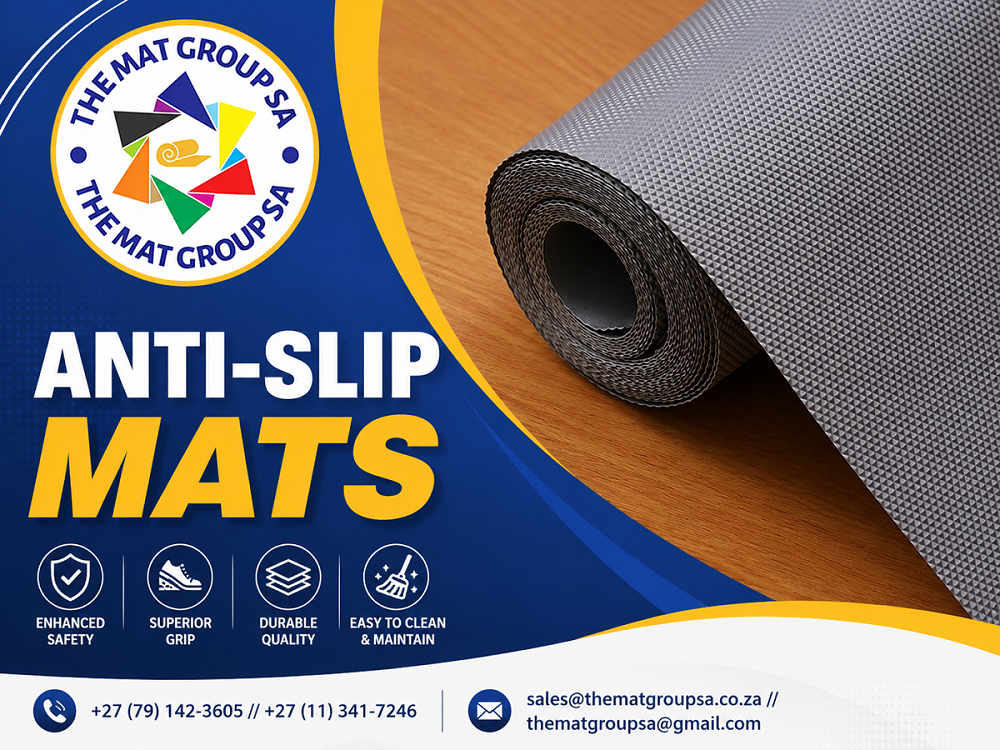
If you’ve ever watched a safety inspector walk through a building, you’ve probably noticed them pause near entrances, stairwells, or anywhere the floor looks even slightly worn. That’s not random — it’s one of the first things compliance reviews check. And more often than not, the conversation comes back to something surprisingly simple: anti-slip mats. They’re inexpensive, quick to install, and they solve a risk that causes more workplace injuries than most people expect. Still, using them properly takes a bit more thought than just placing one near the door and calling it done.
Why Anti-Slip Mats Matter in a Workplace Safety Compliance Consultation
Ask anyone who runs safety compliance consultations for a living, and they’ll tell you slips and falls remain one of the most common, and most preventable, incidents on any site. A wet entrance after rain, an oily patch near machinery, or a smooth tile floor after a spilled drink — the risk shows up in places people don’t always think to check. Anti-slip mats are usually one of the first recommendations a consultant makes, not because they look impressive, but because they genuinely reduce the chance of someone losing their footing.
What surprises a lot of business owners is that consultants don’t just check whether mats exist — they look at where they’re placed and what they’re made from. A thin rubber mat in the wrong spot won’t pass inspection any more than having nothing at all. Some businesses get caught out because they’ve focused heavily on appearance, putting custom logo mats at the front entrance purely for branding, while overlooking the slip-resistance levels needed in higher-risk areas like kitchens or loading docks.
It also comes down to understanding that not every part of a building carries the same risk. A reception area and a warehouse floor fall under the same general safety rules, but they don’t face the same hazards day to day. Foot traffic, exposure to liquids, dust, and temperature changes all play a role in deciding what kind of flooring protection actually makes sense. A good consultant will walk the entire space rather than just glancing at the main entrance.
Building Anti-Slip Mats Into a Bigger Safety Strategy
Factories and warehouses usually need something tougher than a standard doormat. Constant exposure to oil, water, and heavy machinery wears through cheaper matting fast, which is exactly why industrial mats are built differently — thicker, more resistant to chemicals, and designed to handle hours of continuous foot and equipment traffic. A compliance consultant walking through a production floor will almost always flag thin or worn matting in these zones first, since that’s where falls tend to cause the most serious injuries.
A proper safety review doesn’t treat flooring as a standalone issue, either. It looks at the whole layout: where people walk quickly, where visibility drops, where spills are most likely, and where exits create bottlenecks during rushes. Mats play a part in that picture, but so do drainage, lighting, and clear signage. None of these fixes work especially well in isolation. Combined properly, though, they cut down a significant amount of everyday risk without requiring a complete redesign of the space.
Retail stores and offices face a different kind of pressure. Foot traffic might be lighter than a factory floor, but a slip in front of a customer carries its own consequences, both for safety and for reputation. That’s why commercial mats made for shops, restaurants, and reception areas are usually designed to balance grip, comfort, and a tidy appearance. A consultant doing a walkthrough will typically flag busy spots like checkout counters or café entrances first, since that’s where the wrong flooring choice creates avoidable risk.
Most businesses don’t realize how outdated their matting has become until someone takes a closer look. Worn-out grip, faded warning edges, mats that have shifted out of position over months of use — these small details add up during an inspection. It’s worth getting an honest assessment before a problem turns into an incident report, rather than waiting for an inspector to point it out first. A second opinion from someone who deals with this daily often catches things an in-house team misses.
If you’re not sure whether your current setup would hold up under a proper compliance check, it helps to talk it through with someone who knows what inspectors actually look for. Feel free to contact us if you’d like a straightforward assessment of your space — no pressure, just a clear picture of where you stand and what, if anything, needs changing.
Getting It Right the First Time
At the end of the day, workplace safety isn’t something you tick off once a year and forget about. It’s about making sure people can move through a space safely, day after day, without thinking twice about it. Anti-slip mats are a small piece of that puzzle, but they’re one of the easiest improvements any business can make. The Mat Group SA has spent years helping businesses across South Africa figure out exactly where and how matting fits into a safer workplace, without overcomplicating the process or chasing unnecessary trends.
Occupational health and safety regulations don’t always name “mats” directly, but they do require employers to reduce slip and fall hazards wherever they’re reasonably foreseeable. In practice, anti-slip matting is one of the simplest ways to meet that obligation in entrances, wet areas, and high-traffic zones.
Yes, safety and appearance aren’t mutually exclusive. Many businesses use slip-resistant matting in entrances and walkways while still incorporating their colours or a printed design, so the floor stays both safe and presentable without sacrificing one for the other.
A standard entrance mat is mainly there to catch dirt and moisture from shoes. Anti-slip mats are engineered specifically around traction, often with rubber backing or textured surfaces designed to hold their grip even when wet, oily, or covered in dust.
Popular Posts

November 6, 2025
February 10, 2026
February 17, 2026
February 23, 2026
Leave a Reply