Why Industrial Mats Are Essential for Manufacturing Facilities
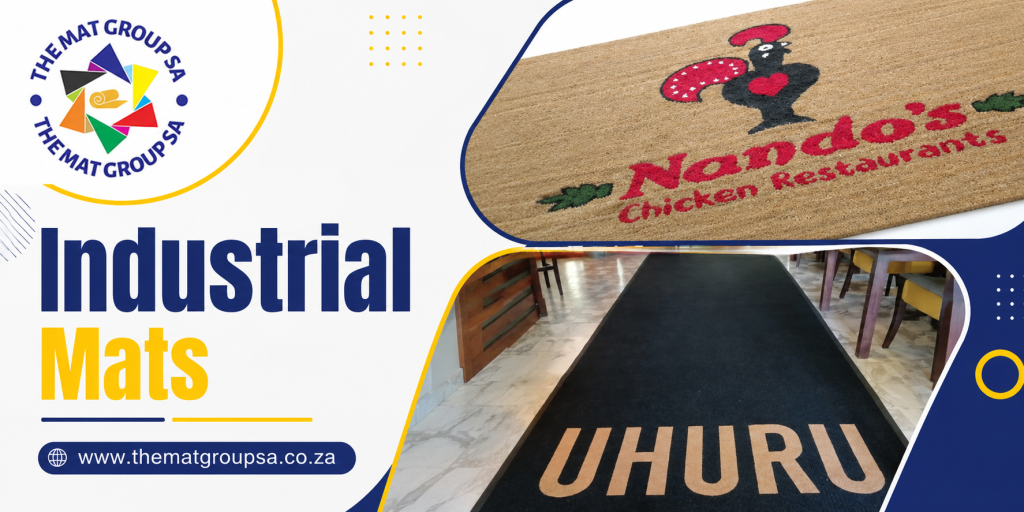
Walk into any busy manufacturing plant and you’ll notice something most visitors overlook: the floor. Concrete floors look tough, but they’re hard on the people who stand on them all day, and they’re often slippery when oil, water, or dust builds up. That’s where industrial mats come in. They’re not just a nice-to-have accessory tucked away in a corner — they’re a practical investment that protects workers, equipment, and even your bottom line. If your facility hasn’t given much thought to flooring solutions, now’s a good time to start.
Why Industrial Mats Matter More Than You Think
Manufacturing floors take a beating. Forklifts roll over them, chemicals spill on them, and workers spend eight or more hours standing on them every single day. Industrial mats are designed to handle exactly this kind of pressure. They cushion joints, reduce fatigue, and give workers a stable surface that doesn’t shift or buckle under heavy machinery. Without proper matting, facilities often see higher rates of slips, strains, and general wear on both people and equipment.
The Real Cost of Ignoring Floor Safety
It’s easy to underestimate how much a bare, unprotected floor can cost a business. Slip-and-fall incidents are one of the leading causes of workplace injury claims, and manufacturing environments are especially prone to them because of oil residue, water leaks, and dust accumulation. Beyond the human cost, there’s the financial one — downtime, compensation claims, and lost productivity add up fast. A good mat isn’t just rubber on the floor; it’s a barrier between your business and a whole list of avoidable problems.
Comfort Keeps Productivity High
Standing on hard concrete for a full shift takes a toll on the body. Workers who spend their days on unpadded floors often report sore feet, aching backs, and general fatigue by the afternoon. Anti-fatigue matting changes that equation. By providing a slight give underfoot, these mats encourage micro-movements that keep blood flowing and muscles engaged, which means less tiredness and more focus. Happier, more comfortable staff tend to work more efficiently, and that shows up in output numbers over time.
Not All Mats Are Built the Same
One mistake facilities make is assuming any rubber mat will do the job. In reality, different areas of a plant need different types of matting. High-traffic walkways need dirt-trapping and slip-resistant surfaces. Workstations where employees stand for long periods benefit from cushioned anti-fatigue designs. Areas exposed to chemicals or oils need mats that resist degradation and stay grippy even when wet. Choosing the wrong mat for the wrong zone can mean replacing it sooner than expected, so it pays to match the product to the actual conditions on your floor.
Durability That Pays for Itself
A well-made industrial mat isn’t cheap upfront, but it earns its keep over the years. Quality matting resists cracking, curling, and flattening even under constant machinery traffic. That durability means fewer replacements, less maintenance downtime, and a more consistent safety standard across the facility. Think of it less as an expense and more as a long-term investment in keeping your operation running smoothly.
If you’re weighing up flooring options for your plant, it’s worth having a conversation with people who deal with this every day. You can contact us to talk through what your specific work areas actually need, rather than guessing and hoping for the best.
Manufacturing facilities that take flooring seriously tend to run safer, smoother, and with fewer unplanned interruptions. It’s a simple change with a noticeable payoff. If you’re ready to upgrade your facility’s floors, The Mat Group SA offers a wide range of industrial mats built for exactly these kinds of demanding environments, backed by years of experience supplying businesses across South Africa.
Yes. Employees standing on cushioned matting throughout a shift generally report less foot, leg, and back discomfort compared to standing on bare concrete all day.
Industrial mats are built for heavier loads, machinery traffic, and harsher conditions like chemical exposure, while entrance mats mainly focus on trapping dirt and moisture at doorways.
Absolutely. Matting can be sized and selected to suit specific zones, whether that’s a workstation, a walkway, or an area near heavy equipment.
Popular Posts

November 6, 2025

February 10, 2026

February 17, 2026
February 23, 2026
Leave a Reply